Calls for tighter slot machine operating hours in bars and clubs are being fueled by growing concerns about the negative effects of gambling in Australia.
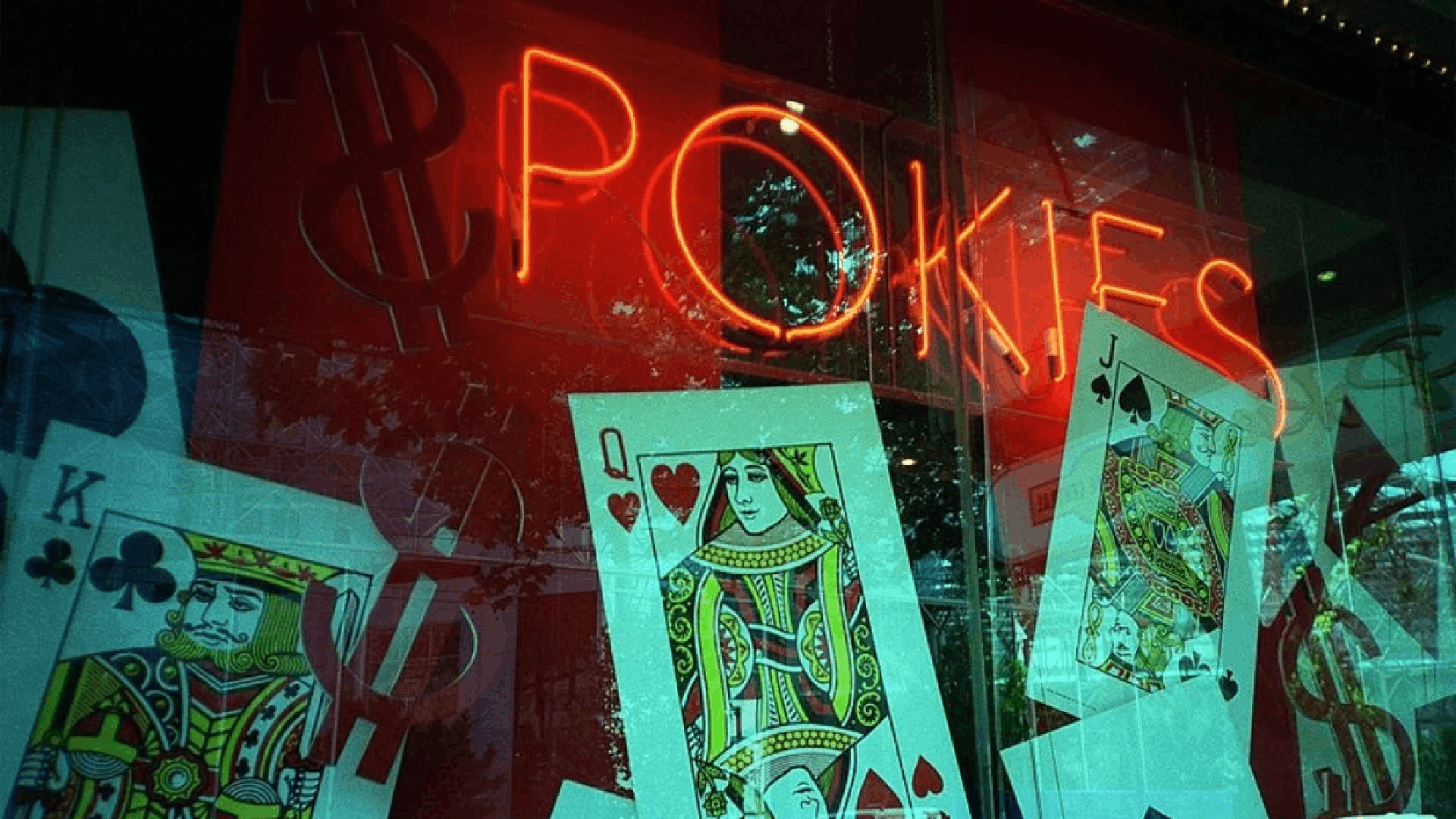
There is a growing movement in the state of New South Wales (NSW) to shut down the machines, or "pokies" as they are colloquially called, from midnight to ten in the morning. This is in response to reports that the nation has once again topped the world record for gambling losses.
That is not shocking. For many years, the nation has continuously placed at or close to the top in terms of gambling losses per person. Despite the cost-of-living crisis, losses seem to be rising more quickly than inflation, which is concerning.
Growing Losses
Australia suffered losses totaling A$21 billion in 2014. According to the Grattan Institute, they are currently A$31.5 billion, which is more than the federal government spends annually on elder care.
Australia possesses 17% of the world's non-gaming-venue slot machines despite making up only 0.3% of the global population.
According to the Wesley Mission, a faith-based non-profit, gamblers in NSW lost about $9.3 billion on poker machines in 2025—the biggest yearly total ever recorded in the state—and they're on track to surpass that this year.
"There seem to be only three certainties in NSW right now: death, taxes and spiraling poker machine losses,” Rev. Stu Cameron, the mission’s CEO, told Yahoo News this week.
According to Liquor & Gaming NSW, hotels and registered clubs are required by NSW legislation to turn off gaming machines between 4 and 10 a.m. every day. The government claims that approximately 650 venues must adhere to the specified hours as of April 1, 2026, following the revocation of their exemptions.
Due to factors like tourism, early-opening history, or financial difficulties, several of these exemptions have been in place for more than 20 years.
However, that still mainly ignores the most damaging part of the evening for campaigners.
Late-Night Gambling
According to a study by the NSW Office of Responsible Gambling, those who play electronic games late at night are more likely to exhibit symptoms of problem gambling, and the longer they play, the higher the risk.
According to the study, 3.1% of those who gambled between 8 a.m. and 10 p.m., 7.3% between 10 p.m. and midnight, 12.1% between midnight and 2 a.m., and 22.6% between 2 a.m. and 8 a.m.
The NSW Greens have suggested extending the shutdown until 10 a.m., claiming that losses and harm become more difficult to manage after midnight.
Despite the stark political contrasts between the parties, the Australian Christian Lobby had supported the Greens' campaign, forming an unexpected coalition around gaming reform.